
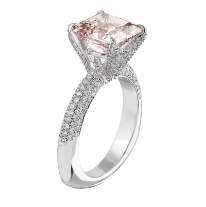
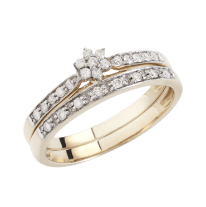
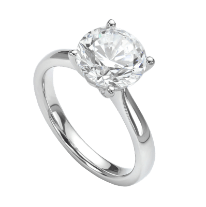
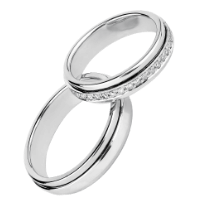
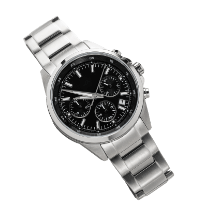
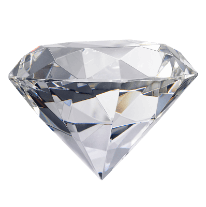
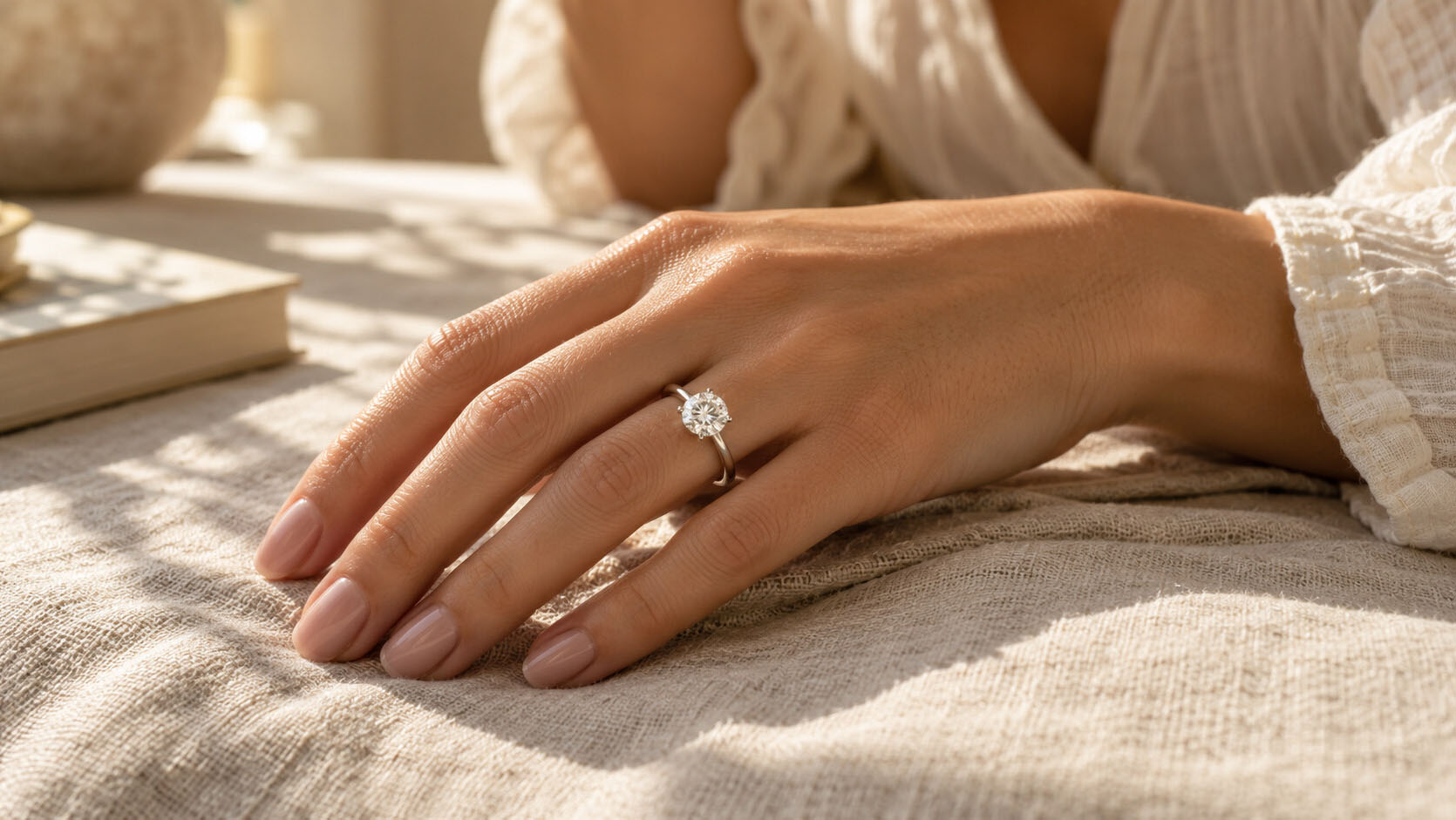
Insuring your jewellery in 2026 starts with understanding what good cover does. Jewellery insurance protects your pieces against accidental damage, loss and theft. Whether it’s an engagement ring you wear every day, a family heirloom or a luxury watch, the right cover means a bad day doesn’t have to become a permanent loss.
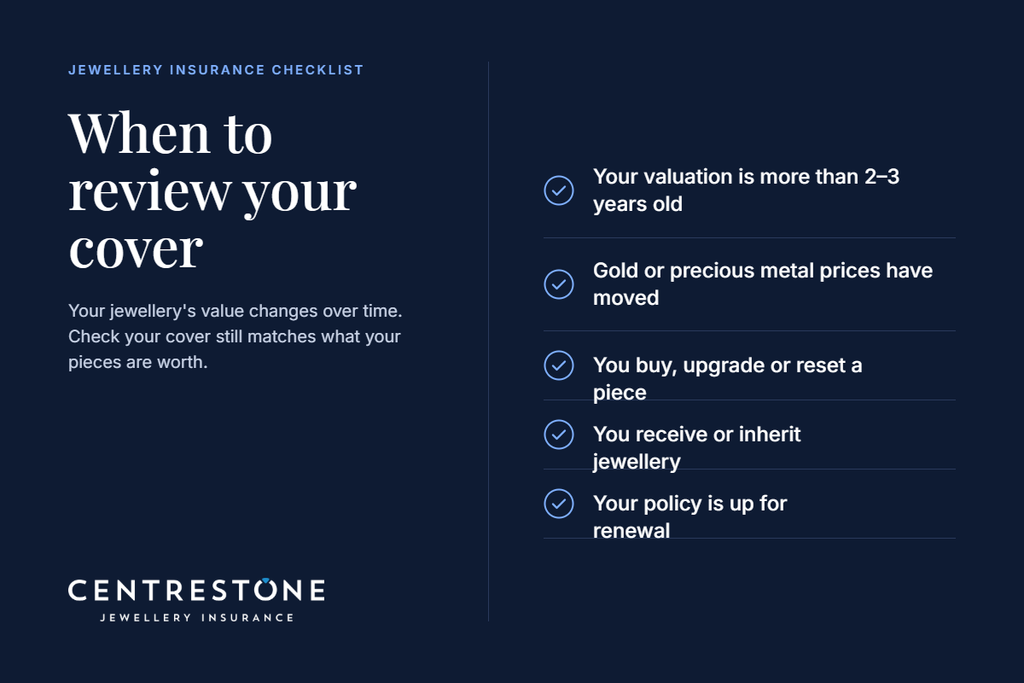
In 2026 there’s an extra reason to look at your cover: what your jewellery is worth may have changed a lot since you last checked.
Why your jewellery is worth more than you think?
Gold has had a remarkable run. According to the Perth Mint, gold reached a record of almost AUD 7,800 an ounce in late January 2026, and was still trading around AUD 5,835 at the end of June (Perth Mint).
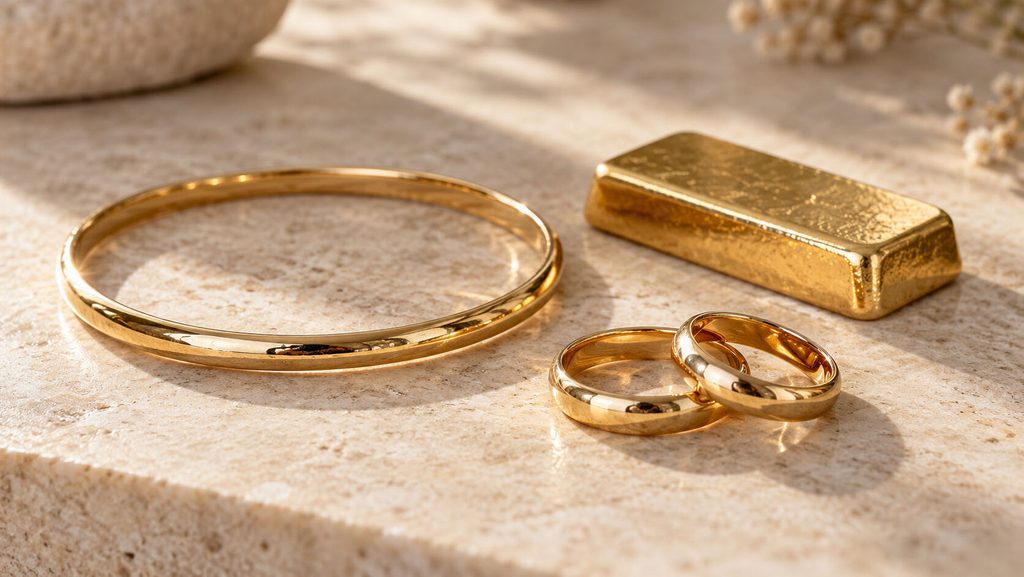
Gold prices flow through to what it costs a jeweller to remake a piece. If your ring or bracelet was valued a few years ago, replacing it today could cost noticeably more than the figure on your policy. That gap matters if something goes wrong.
It’s worth checking the value on your policy against a current valuation, especially for gold-heavy pieces like wedding bands, chains and bangles.
What under insurance means for you?
Many insurance policies only pay up to the amount your item is insured for. If your ring is insured for $8,000 but now costs $11,000 to replace, that $3,000 difference could come out of your own pocket.
Underinsurance is easy to miss because nothing feels different day to day. The ring looks the same on your hand. It’s only at claim time that an out-of-date value becomes a problem.
It’s not only gold
Precious metal and gemstone prices move over time, and not always in the same direction. Platinum, white gold settings and coloured gemstones all have their own markets. Lab-grown diamond prices have shifted as production has grown, which can change what a like-for-like replacement costs.
Craftsmanship costs also matter. Labour, setting work and custom design time have risen along with the general cost of living, and they’re part of what it costs to remake a piece.
How much is your Jewellery Worth?
Your jewellery is generally worth what you’ve paid for it, so in most cases a tax invoice or receipt is sufficient to insure the item. In cases where the item is more than a few years old, a professional valuation tells you what it would cost to replace your piece today, so you can insure it for the right amount.
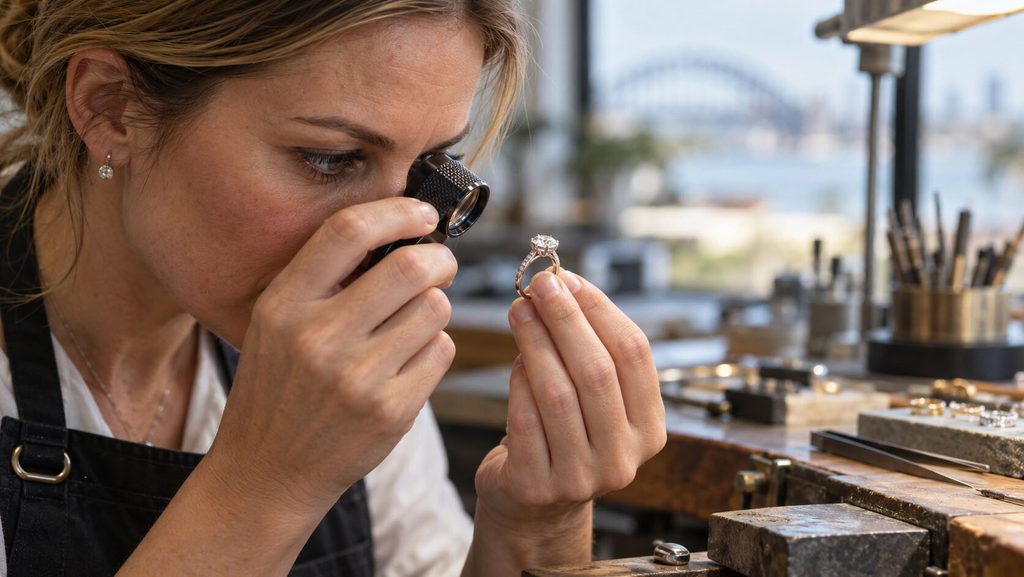
Take your jewellery to a qualified valuer or a jeweller who offers valuations. They’ll assess the metal, the gemstones, the craftsmanship, and the age and condition of the piece. Many use testing equipment to confirm metal purity and identify stones. If your diamond has a grading certificate from a lab such as GIA or IGI, bring it along.
A few practical tips:
Expect a fee. Valuations usually cost money, and prices vary by valuer and location.
Get it in writing. A detailed written valuation with photos makes the claims process smoother.
Tell them it’s for insurance. An insurance valuation reflects replacement cost, which is different from what you’d get selling it.
Keep it current. Have your valuation reviewed every few years, and sooner when metal or gem prices move sharply.
What a good valuation includes
A thorough insurance valuation should describe your piece in enough detail that a jeweller could recreate it. Look for:
The replacement value, the date and the valuer’s details
Clear photos of the piece from several angles
Metal type and purity, such as 18ct yellow gold or platinum
Each stone’s type, shape, carat weight, colour and clarity
Whether diamonds are natural or lab-grown
Any grading certificate numbers
Maker’s marks, brand, model or serial numbers (especially for watches)
Valuation, certificate or receipt?
These three documents do different jobs:
- A grading certificate describes a stone’s characteristics. It doesn’t state a dollar value.
- A purchase receipt shows what you paid.
- An insurance valuation puts a replacement value on the whole piece, including metal, stones and workmanship.
Keep all three if you have them. Store copies somewhere safe away from the jewellery itself, such as a cloud folder or email.u have them. Store copies somewhere safe away from the jewellery itself, such as a cloud folder or email.
Inherited and vintage pieces
Heirlooms often have no paperwork at all. A valuer can still assess them, and may note antique or period details that affect replacement cost. If a piece has a story, write it down too. It helps your jeweller understand what matters most if it ever needs repair.
What should I look for in a jewellery policy?
Choose a policy that covers the risks that matter to you. Some policies only cover theft, or only cover your jewellery while it’s at home. If you wear your pieces every day, to work, the gym or overseas, make sure your cover goes where you go.

Home and contents insurance often limits cover for jewellery, so it’s worth checking your existing policy before assuming you’re protected.
When comparing jewellery policies, look at:
- What’s covered: accidental damage, loss and theft, including mysterious disappearance and natural disasters
- Where you’re covered: at home only, or worldwide
- The excess: what you’d pay out of pocket on each claim
- How claims are settled: cash, repair or replacement, and who does the work
- Who handles claims: a dedicated team that understands jewellery makes a difference
Common gaps in home and contents cover
Many people assume their jewellery is covered under home and contents insurance. Often it is, but with limits that only show up at claim time:
- Item limits: a cap on any single piece of jewellery unless you list it separately
- At-home only: no cover once the piece leaves your house, unless you add portable valuables cover
- Events covered: theft or fire may be covered, while accidental loss or damage isn’t
- The excess: a standard home excess can take a big bite out of a smaller claim
- Cash settlement: some insurers pay out what it costs them to replace the item, not what it costs you
Mysterious disappearance explained
Mysterious disappearance covers jewellery that goes missing when you can’t say exactly how. A ring slips off at the beach, or an earring is gone at the end of a night out. Policies that only cover theft may not respond in these situations, so it’s worth checking.
Questions to ask before you buy
- Is my jewellery covered away from home and overseas?
- Does the policy cover accidental damage, loss and mysterious disappearance?
- What excess will I pay on a claim?
- Can I choose who repairs or replaces my piece?
- Will the claim be handled by people who understand jewellery?
- What valuation or documents will I need?
How Centrestone’s policy works
Centrestone’s policy is built specifically for jewellery. It includes worldwide cover, cover for accidental damage, loss and theft, and a $0 excess as standard, subject to the policy terms. See the full policy features or compare our policy.
Whatever you choose, read the Product Disclosure Statement (PDS) carefully so you know what is and isn’t covered.
Why your choice of jeweller matters
Your jeweller is the craftsperson you trusted to make or source your piece. They know its design, its stones and how it was made. If your engagement ring is damaged, you shouldn’t have to hand it to whoever quotes cheapest.
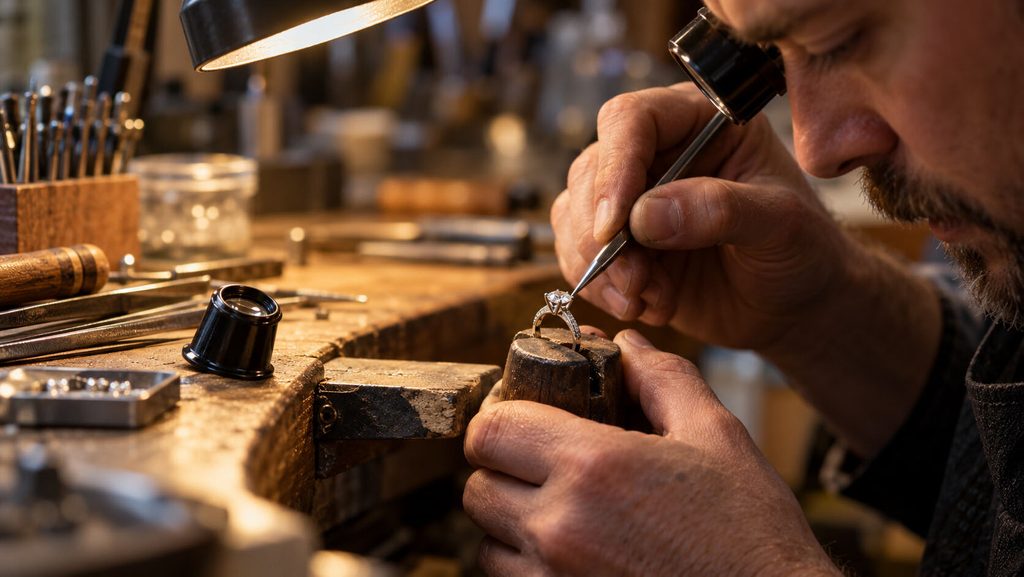
Going back to your own jeweller matters for a few reasons:
- They know the piece. Many jewellers keep design files, stone details and photos of what they made.
- Matching quality. A replacement should match the original’s metal, stones and finish, not just its general look.
- Custom work. A bespoke engagement ring is hard to recreate from a description alone.
- The relationship. For a piece with sentimental value, who handles it can matter as much as the result.
Some insurers settle claims through their own network of suppliers, or offer a cash amount instead. That can leave you with a piece that looks similar but isn’t the same, or with money that doesn’t cover what your jeweller would charge.
With Centrestone, approved claims are settled with a like-for-like replacement or repair through your preferred jeweller, subject to the policy terms. Find out how it works.
What happens if you need to claim?
Every claim is different, but the process generally looks like this:
- Act quickly. For theft, report it to police and keep the report number. For a loss, check with venues, transport providers or lost property.
- Contact your insurer. Let them know what happened and when.
- Gather your documents. Your valuation, photos, receipts and any certificates help your claim move faster.
- Assessment. Your claim is reviewed against the policy terms.
- Repair or replacement. Once a claim is approved, work begins on repairing or replacing your piece.
This is where good paperwork pays off. A clear, current valuation is the single most useful thing you can have on hand.
What can I insure?
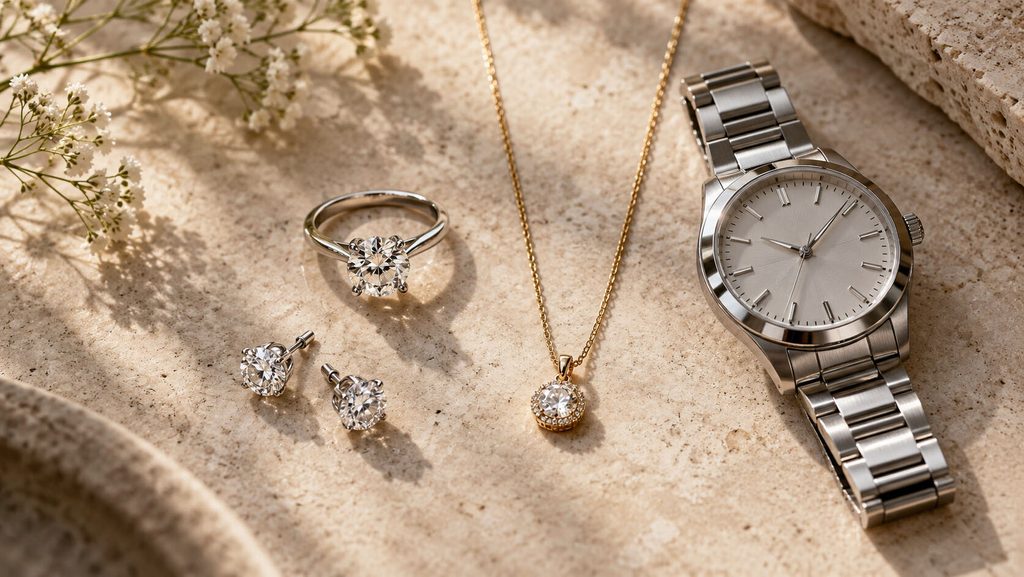
Commonly insured items include:
- Engagement rings and wedding rings
- Diamond rings, including lab-grown diamonds
- Necklaces, bracelets, earrings and other fine jewellery
- Luxury watches
Engagement and wedding rings
These are the pieces most people insure first, and for good reason. They’re worn every day, through work, exercise, travel and everything in between. That daily wear means more chances for a loose stone, a knock or a ring left on a basin.
Diamonds, natural and lab-grown
Lab-grown diamonds are chemically the same as natural diamonds and just as worth protecting. Make sure your valuation and your policy clearly state which type you have, so any replacement matches what you own.
Luxury watches
A quality timepiece can be one of the most valuable things you own, and many are worn daily. Keep the box, papers and serial number, as these help confirm the exact model and reference if you ever need to claim.
Everyday and heirloom jewellery
Necklaces, bracelets, earrings and inherited pieces are easy to overlook. Earrings and fine chains in particular are among the easiest pieces to lose. If a piece would be expensive or impossible to replace, it’s worth listing.
Keeping your list up to date
Your collection changes over time. Remember to update your cover when you:
- Get engaged or married
- Buy a new piece or upgrade a stone
- Have a piece reset, resized or remodelled
- Receive jewellery as a gift or inheritance
- Sell or give away a piece you no longer need to insure
Protecting families’ treasured pieces is what we do every day. If you’re not sure whether an item can be covered, get in touch and we’ll talk it through.
How much does cover cost?
Your premium depends on what you’re insuring and its value. Centrestone aims to keep specialist cover affordable, and you can choose to pay monthly or annually.
It takes a few minutes to get an instant quote, and you can save it and come back when you’re ready.
The bottom line
If your jewellery would be hard to replace, specialist insurance is worth considering. In 2026, start with a current valuation, check your cover still matches what your pieces are worth, and read the policy carefully.
For a step-by-step walkthrough, read A Quick Guide on How to Insure Jewellery, or get your instant quote today.
This is general information only and doesn’t take into account your objectives, financial situation or needs. Centrestone Jewellery Insurance is underwritten by Berkley Insurance Australia. Before deciding, read the Product Disclosure Statement and Target Market Determination.