

So you’ve said yes. Congratulations. The weeks that follow are a whirlwind of phone calls, photos and celebrations — and they’re also the weeks when your new ring is most at risk. It’s on an unfamiliar hand, it’s being passed around for everyone to see, and Australian summer brings beaches, pools, travel and sunscreen into the mix.
The good news is that protecting it takes less than an hour. Here are five things to do before you start showing it off, including how to insure your engagement ring properly.
1. Get your tax invoice and paperwork from your jeweller
Before anything else, make sure you have a tax invoice or receipt for the ring. This is the single most important document you’ll need to insure it, and to make a claim if something ever goes wrong.
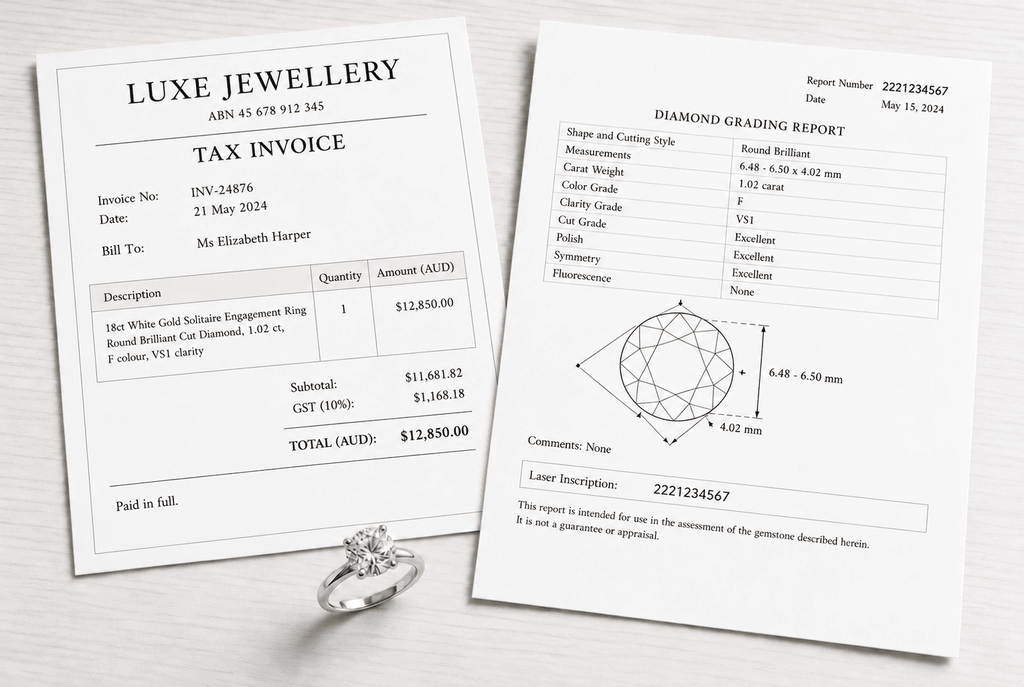
A tax invoice should include:
- The metal type and weight (e.g. 18ct white gold, platinum)
- The centre stone’s details: shape, carat weight, colour and clarity grades
- Any diamond grading certificate number (GIA, IGI or similar)
- Details of any side stones or settings
- The replacement value and the date of valuation
If the ring was a surprise, ask your partner to request the paperwork from the jeweller. Keep the original somewhere safe and store a digital copy in your email or cloud storage, not in the ring box. Take clear photos of the ring (see next point) before you start wearing it daily so you have a clean record.not in the ring box. Take clear photos of the ring (see next point) before you start wearing it daily so you have a clean record.
2. Photograph your ring properly
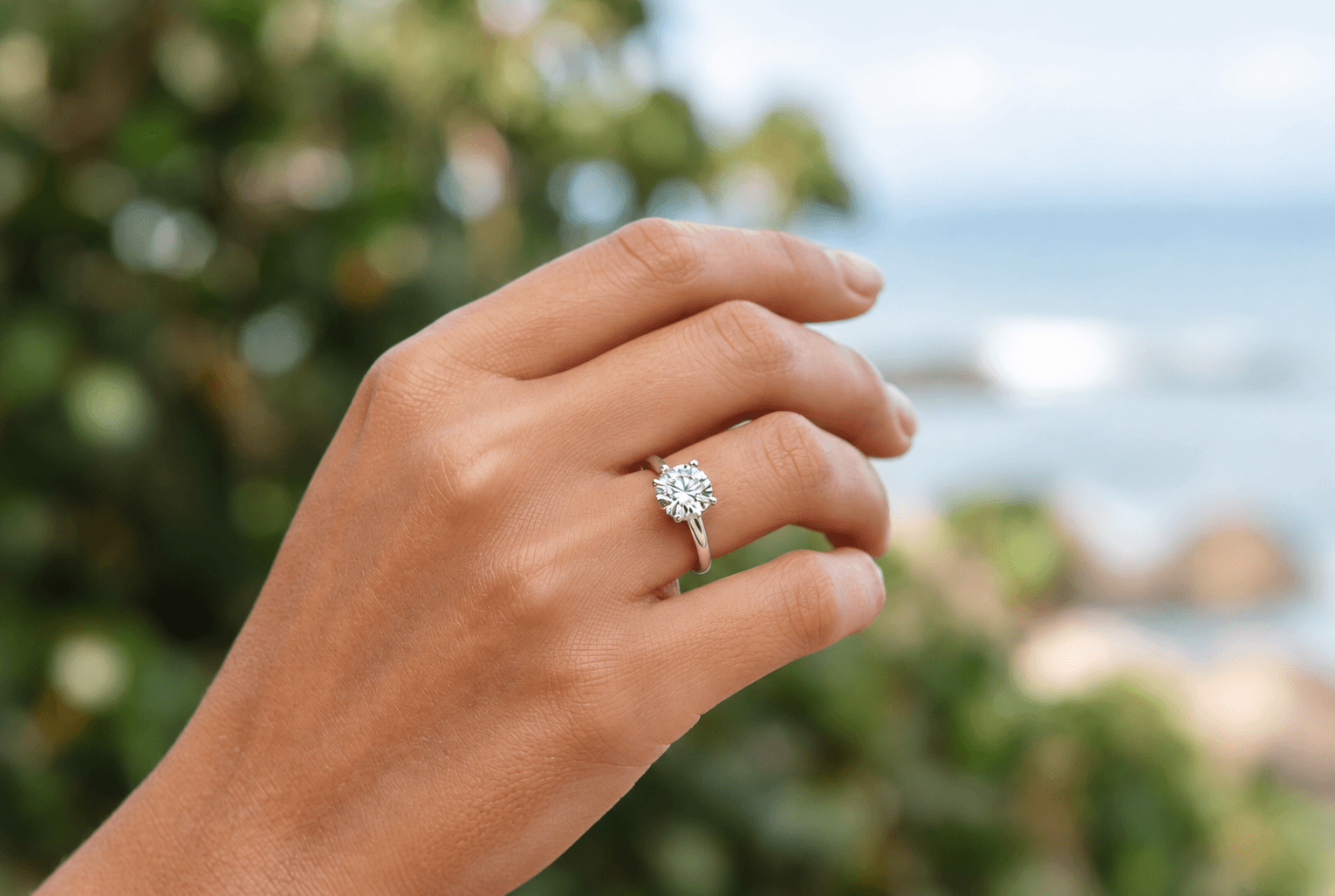
You’ll take plenty of photos of the ring on your hand. Take a few more for the record, too. Clear, detailed photos help your insurer and jeweller identify the piece and make it much easier to have an accurate replacement made if you ever need one.
Aim for:
- A straight-on shot of the centre stone
- Side profiles showing the setting and band
- Close-ups of any hallmarks, engravings or inscriptions inside the band
- A photo of the ring next to its valuation or certificate
Use natural light and a plain background. Save the photos alongside your valuation so everything is in one place.
3. Check the fit before summer
Most engagement rings aren’t a perfect fit on day one, and a ring that’s even slightly loose is far easier to lose. That’s especially true in an Australian summer:
- Cold water shrinks fingers. A ring that feels snug at home can slip off in the surf or the pool.
- Sunscreen and moisturiser make fingers slippery. Rings often come off when you’re applying them.
- Rings get taken off and set down. On a beach towel, a picnic table or a hotel bathroom sink is where many go missing.
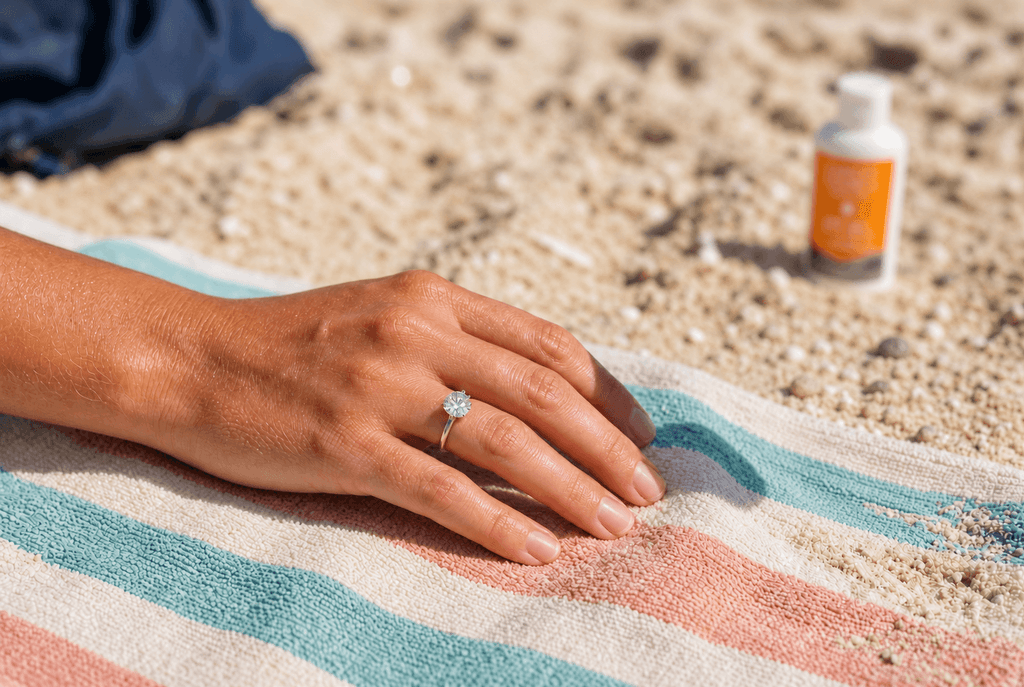
If the ring spins easily or slides over your knuckle without resistance, book a resizing with your jeweller before any beach or pool days. Resizing is usually a quick job. Until then, leave it at home for swimming and sport.
4. Check whether your home and contents policy really covers it
Many people assume their engagement ring is automatically covered by home and contents insurance. Sometimes it is, but often not in the way you’d expect. Before you rely on it, check your policy’s PDS for:
- Cover away from home. Some contents policies only cover jewellery inside your home unless you add portable valuables or specified items cover.
- Item limits. Unspecified jewellery may be capped at a set amount per item, which can be well below the value of an engagement ring.
- Your excess. A standard excess will apply to most contents claims.
- How claims are settled. Some insurers replace items through their own suppliers rather than your jeweller, which matters if you want the same design remade.
Specialist jewellery insurance is built around these issues. Learn more about how specialist cover compares with home and contents.
5. Insure it before the holidays and travel
The best time to insure your engagement ring is before you need to. The summer break, with its road trips, flights and beach days, is exactly when the unexpected tends to happen.
When comparing engagement ring insurance, look for a policy that covers:
- Accidental loss, theft and damage, not just theft (so you’re covered if it slips off in the surf or gets knocked off a sink)
- Worldwide cover, so you’re protected on your honeymoon or overseas holiday
- A low or nil excess, so a claim doesn’t come with a big bill after a beach or travel mishap
- Replacement through your jeweller, so your ring can be remade as close to the original as possible
- Regular revaluations, so your insured value keeps pace with replacement costs
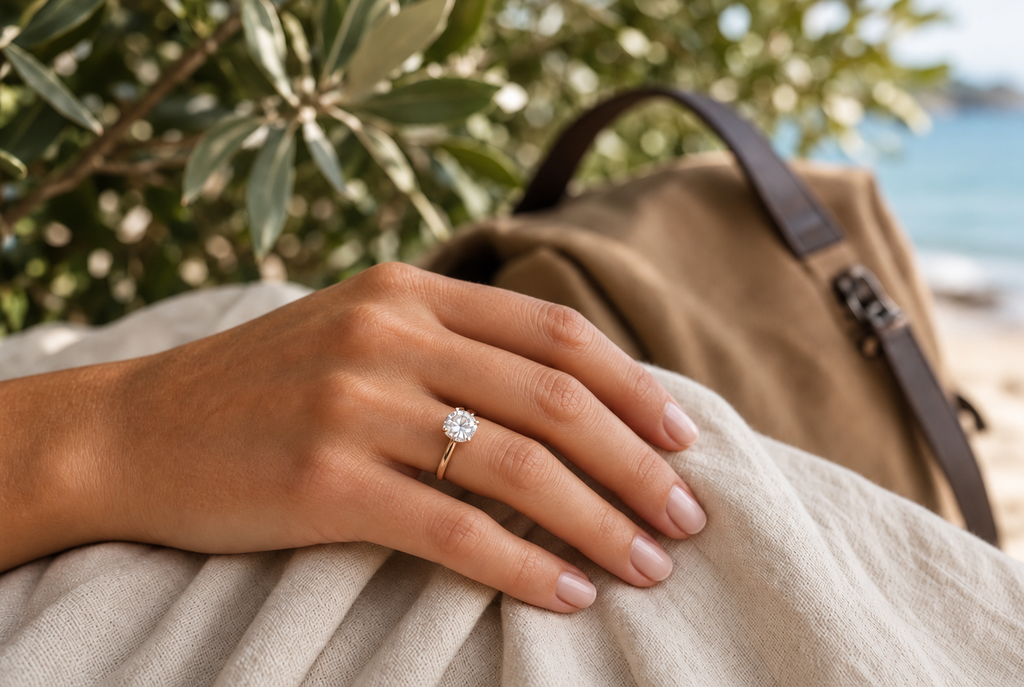
Centrestone Jewellery Insurance was designed specifically for jewellery. Policies include worldwide cover for accidental loss, theft and damage, $0 excess as standard and free annual value updates. In the event of a claim, you return to your chosen jeweller for the replacement rather than dealing with a generic supplier — so the ring can be remade to the original design. If you’re buying from a Centrestone partner jeweller, cover can be arranged before you leave the store.
Engagement ring insurance FAQs
How much does engagement ring insurance cost?
The cost depends mainly on the value of the ring, along with factors such as where you live and the level of cover. The quickest way to find out is to get an instant quote, which takes a few minutes.
What documents do I need to insure an engagement ring?
Usually a valuation or receipt from your jeweller showing the ring’s details and replacement value. Photos of the ring and any diamond grading certificate are also helpful to have on hand.
When should I insure my engagement ring?
As soon as possible after you receive it, ideally before you wear it out and about. Accidents don’t wait for a convenient time.
Is my engagement ring covered overseas?
It depends on your policy. Some contents policies limit cover outside the home or outside Australia. Centrestone policies include worldwide cover.
Does my ring’s insured value need updating?
Yes. Replacement costs for gold, platinum and diamonds can change over time, so it pays to keep your valuation current. Centrestone provides free annual value updates so your cover keeps pace.
Enjoy the moment, with peace of mind
Your engagement ring is one of the most meaningful things you’ll ever wear. A valuation, a few photos, a quick fit check and the right insurance mean you can spend the summer celebrating instead of worrying.
Ready to protect your ring? Get an instant quote from Centrestone Jewellery Insurance in minutes — before the summer plans start.
Centrestone Jewellery Insurance is underwritten by Berkley Insurance Australia (ABN 53 126 559 706, AFSL 463 129). This article contains general information only and does not take into account your objectives, financial situation or needs. Consider the Product Disclosure Statement (PDS) and Target Market Determination (TMD) before deciding whether this product is right for you.